



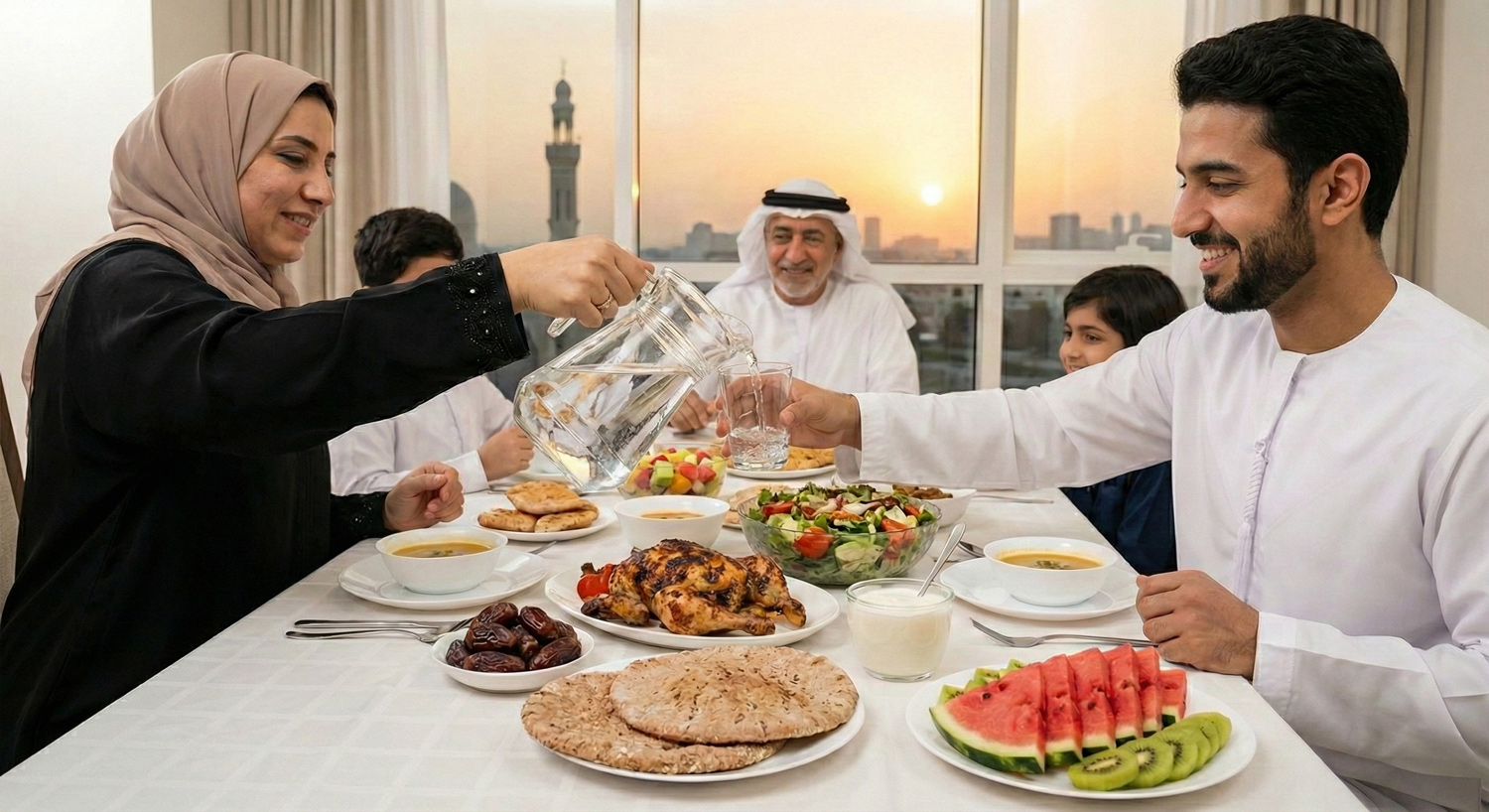
As we approach the holy month of Ramadan, preparation for this important time begins. However, it can also present a peak in many health challenges for people across the Gulf region and beyond.The global burden of non-communicable diseases, such as obesity, is seeing all health systems put under pressure. Those with underlying health conditions and / or housebound will be at a higher risk if they do not manage their health during the holy month of Ramadan, making the practice of healthy and responsible breaking of the fast even more important.
To respond to this, leading health agencies, Abu Dhabi Public Health Centre (ADPHC) and UK Health Security Agency are working in collaboration to respond to this global challenge to stay healthy and fit throughout the Holy month of Ramadan and beyond. This includes creating the best health awareness strategies being rolled out in the region. PHE has partnered with governments across the Gulf region to share its experiences, helping raise awareness of the need to change lifestyle habits, and at the same time learning about some of the advanced digital solutions that the Gulf is implementing to tackle chronic disease.
Overeating can lead to weight gain and obesity, which in turn can increase the risk of developing other health implications. WHO advises these can include conditions such as, Type 2 diabetes, hypertension and heart disease.
Adoption of a few simple recommendations will mean that observing Ramadan will not have a harmful impact upon your health. Ensuring that both your Suhoor, the meal that takes place just before fasting and sunrise, and Iftar, the meal that breaks the fast before sunset, are nutritious and fuel your body correctly, helping to manage the risk of developing any dietary conditions. For those with diabetes, Ramadan is not compulsory, but if you do choose to fast, caution should be taken. PHE’s Deputy Medical Director and leading expert on diabetes prevention, Dr Jenifer Smith, says “time of religious observance are important for people, however it is also important to take care of one’s physical health by making healthy life style choices.”
ADPHC advises that although the holy month of Ramadan is a wonderful opportunity to engross oneself in the spirit of fasting, we also need to be aware of our consumption and eating habits. It is important that you speak to your doctor before Ramadan, especially if you have pre-existing medical condition such as diabetes, hypertension, heart disease, cancer.ADPHC’s Nutrition Section Head, Mrs. Rahma Al Ketbi, suggests “to keep Ramadan diet simple and similar to a normal daily diet” and has worked closely with PHE to produce the following recommended health tips for building healthy habits during Suhoor and Iftar.
Sustain a moderate level of activity during the day, indoors or outdoors, to remain healthy. Exercise either right before iftar or 2-3 hours after you eat.
This year, Ramadan will fall on long and hot days. High temperatures will cause increased perspiration, therefore it is important to stay in cool and shaded areas and replace lost fluids in the evening.
Avoid the consumption of foods rich in fat, such as fatty meats, fried food and pastries, which are of low nutritional value. Fatty foods can lead to bloating and fatigue the next day.
Instead choose healthy fats such as avocado, olive oil, raw nuts and fish.
The amount you consume should be monitored during your Suhoor and Iftar.
Meal size should be reduced as stomach size will inevitably shrink throughout the month of fasting. Larger meals can also cause discomfort and indigestion.
Avoid foods containing large amounts of sugar and salt, for example, processed meats, olives and fizzy drinks.Keep high-sugar and other Arabic sweets such as Loqaimat, Sago and custard among others to the minimum.
You should break your fast initially with a light meal (or 1-3 dates and a glass of water) and follow with a healthy meal 1-2 hours later. Food should be chewed slowly in order to not consume too much and overindulge.
You should break your fast initially with a light meal (or 1-3 dates and a glass of water) and follow with a healthy meal 1-2 hours later. Food should be chewed slowly in order to not consume too much and overindulge.
